Category Archives: World

Fossil Fuel Subsidies Globally

Fossil fuel subsidies are very common in developing nations. Subsidies cover the difference between the price at which fossil fuels are sold inside the country and their actual price in international markets, creating a huge fiscal burden (an estimated $400 billion annually) for the countries that provide them. Developing nations with fossil fuel subsidies include: Venezuela, Argentina, Ecuador, Algeria, Libya, Egypt, Kuwait, Iran, Pakistan, Russia, China, India, Indonesia, etc.

Developed nations also provide subsidies in the form of tax breaks to the oil industry and other measures (estimated at a cost of $45 to $75 billion per year). Nations in this group include many OECD (Organization for Economic Co-operation and Development) members.

For the interactive map, visit: National Geographic: The Great Energy Challenge: Fossil Fuel Burden on State Coffers
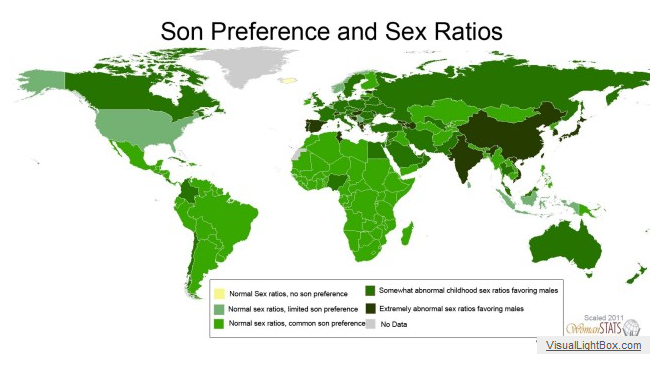
 

Male Gender Preference Globally

In this day and age, it is still surprising that in most parts of the world, there is still a preference for sons over daughters. It is even more surprising when you are talking about developed nations such as Spain, Portugal, Switzerland, Canada, Australia, New Zealand, Japan, and South Korea.

Other nations where the preference of sons overs daughters is extremely abnormal include China, India, Myanmar, Vietnam, and Malaysia among others.

Resource: Women Stats: Map – Son Preference and Sex Ratios


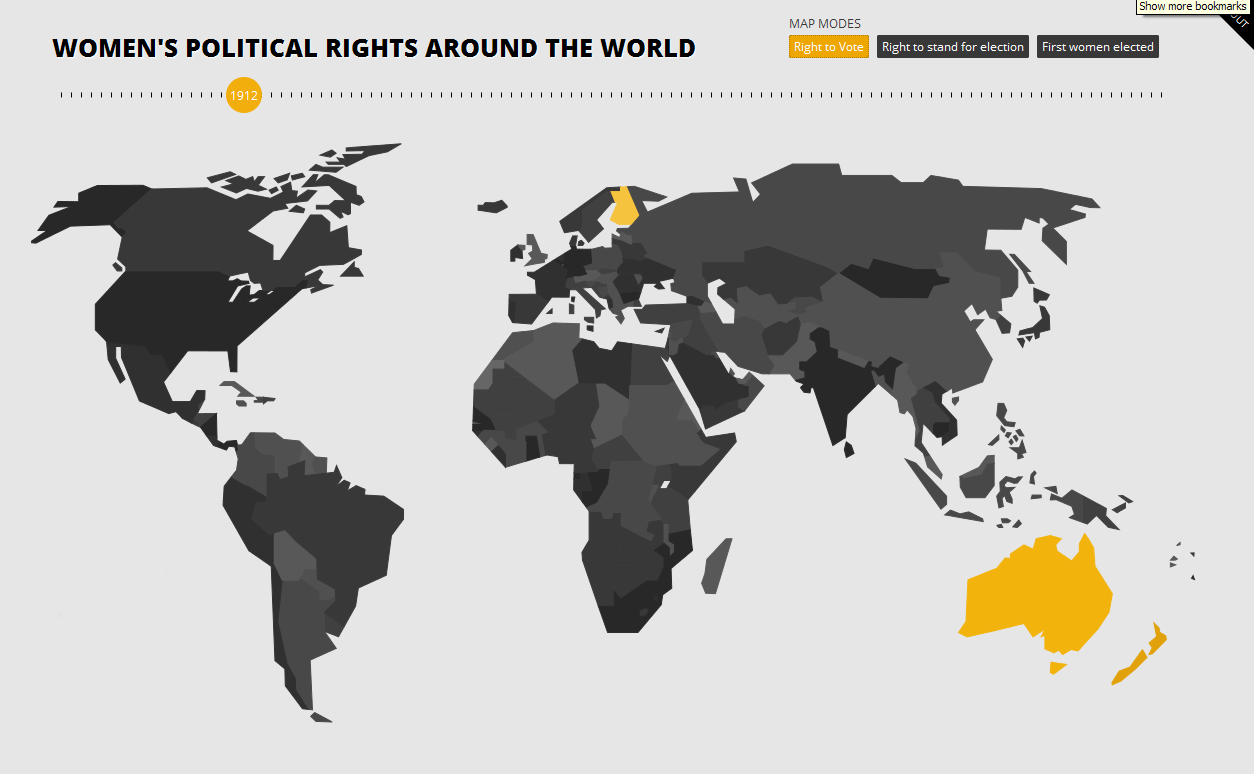
The Political Rights of Women Worldwide

Back in 1912, the only countries where women had the right to vote were: New Zealand, which had granted voting rights to women as early as 1893; Australia, which had granted women the right to vote in 1902; and Finland, which had granted voting rights to women in 1906.


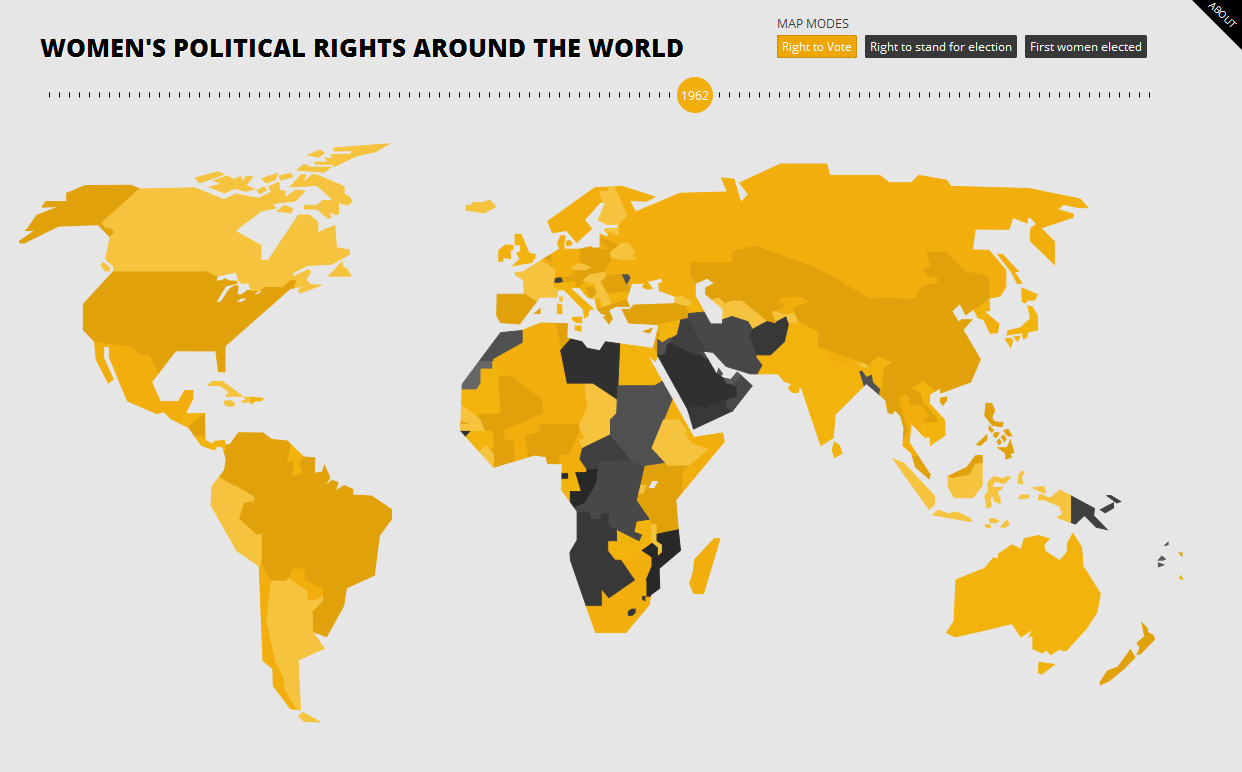
Fifty years later, in 1962, most nations in the world had granted women the right to vote. However, there were still many countries where women could not vote. Such countries included African nations like Morocco, Libya, Sudan, Congo, Angola, Botswana, Namibia, Mozambique, and Lesotho; countries in the Middle East like Jordan, Iraq, Saudi Arabia, Yemen, Syria, Oman, Iran, Afghanistan, and Bangladesh; Papua New Guinea, the only country is Asia. The nation that comes as a surprise in Switzerland, where women were granted voting rights as recently as 1971.


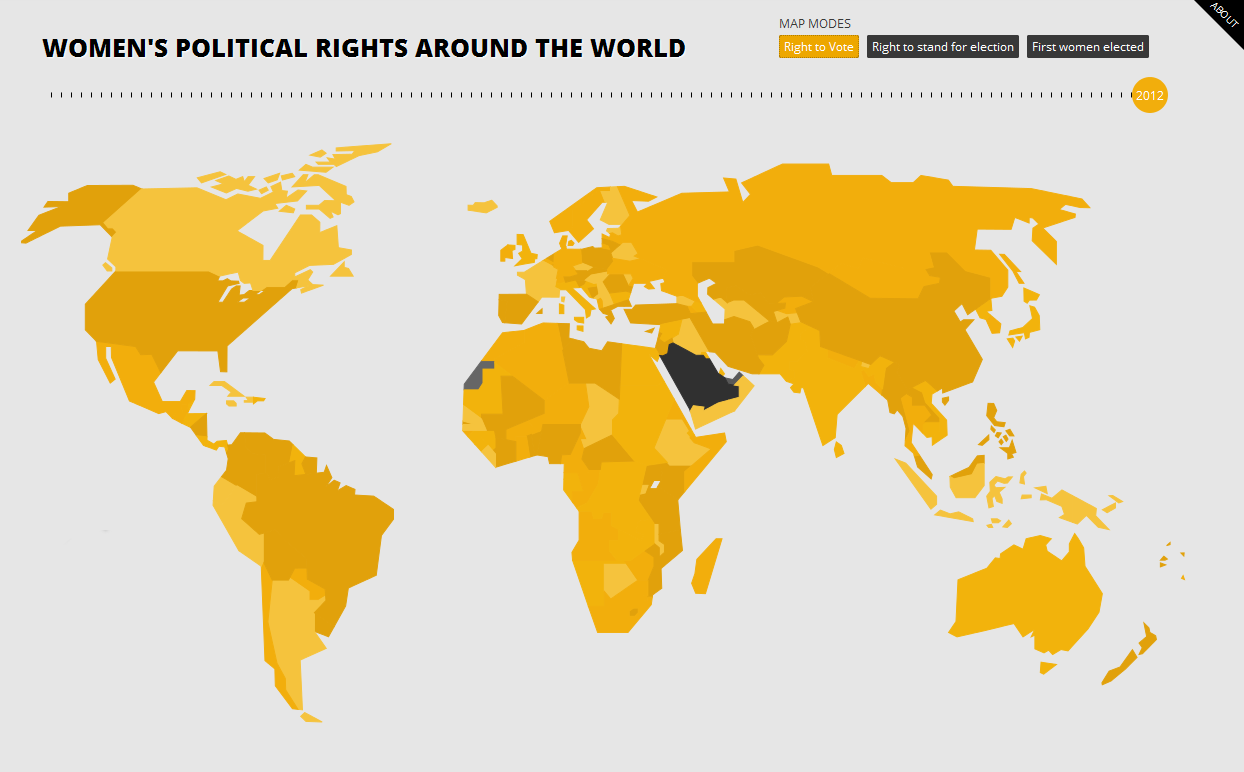
As of 2012, women have the right to vote anywhere in the world, except in Saudi Arabia.

For interactive maps on women voting rights, the right of women to stand for election, and first women elected to office worldwide, please visit:  777 Voting: Women’s Political Rights Around the World


Expected Years of Schooling for Females Worldwide

The expected years of schooling for females varies from country to country.

Developed nations such as the United States, Canada, the UK, France, Germany, Norway, Iceland, Australia, New Zealand, etc., show the highest number of expected years of schooling (15 to 21 years) for girls. Other nations in this group include Argentina, Uruguay, Kazakhstan, Libya, and South Korea.

On the other hand, countries with the lowest number of expected years of schooling (0 to 8 years) for females include most African countries, Pakistan, Afghanistan, Iraq, Yemen, Myanmar, Bangladesh, and Papua New Guinea.

Resource: The World Bank DataBank: Gender Statistics – Expected years of schooling for females

Paid Maternity Leave Worldwide

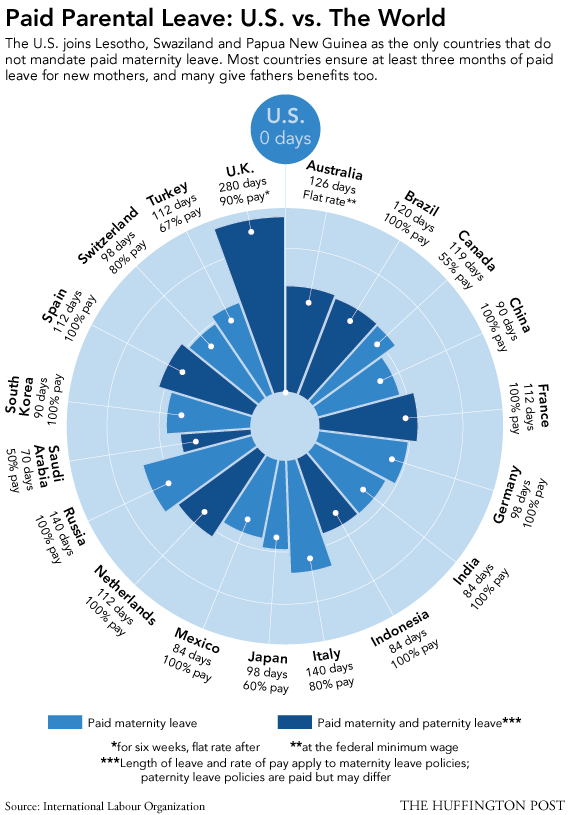
Many developed nations provide paid maternity leave to their female employees. This is not the case for the United States.

According to this visualization by the Huffington Post, the UK provides the highest number of paid maternity leave days, 280 with 90% pay. Brazil, China, France, Germany, India, Indonesia, Mexico, Netherlands, Russia, South Korea, and Spain, offer maternity leave with 100% pay.

In the U.S., parents are guaranteed their jobs for 90 days while on maternity or paternity leave, but without pay. Other countries that do not provide paid maternity leave include Lesotho, Swaziland, and Papua New Guinea, all developing nations.


Life Expectancy at Birth for Women

Life expectancy at birth, for women, varies significantly across the world.

On one side of the spectrum, we find nations where the life expectancy at birth for females is 80.5 years or more. Countries in this group include the United States, Canada, Chile, several developed nations in Northern, Southern and Eastern Europe, Australia, New Zealand, Japan, and South Korea.

On the other side, we find nations where the life expectancy at birth for females is much lower, 62.0 years or less. This group is comprised by the majority of African countries, with the exception of North African nations, and Afghanistan.

Resource: The World Bank DataBank: Gender Statistics – Life expectancy at birth, female (years)


Milk Consumption Per Capita Worldwide

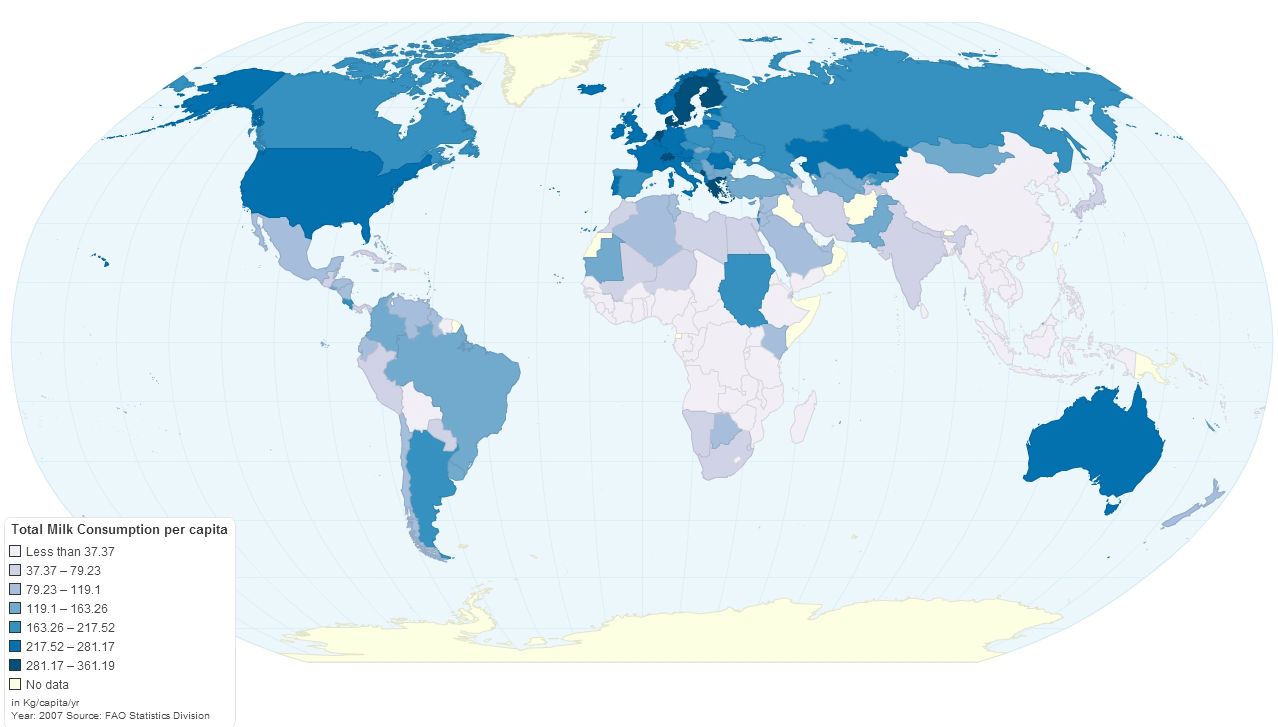
Milk and milk products are consumed all over the world on a daily basis. As shown in the graph above, the largest consumers of milk in the Americas are the U.S., Canada, Nicaragua, and Argentina. In Europe the largest consumers of milk are Sweden, Finland, Netherlands, Switzerland, Portugal, Greece, and Kazakhstan. In Africa, we have Sudan and South Sudan. Australia is also one of the largest consumers of milk.

The consumption of milk in this map is defined as Kg. of milk consumed per person per year.

Resource: Food Beast: Map of Milk Consumption & Lactose Intolerance Around the World


U.S. Military Personnel Around the World

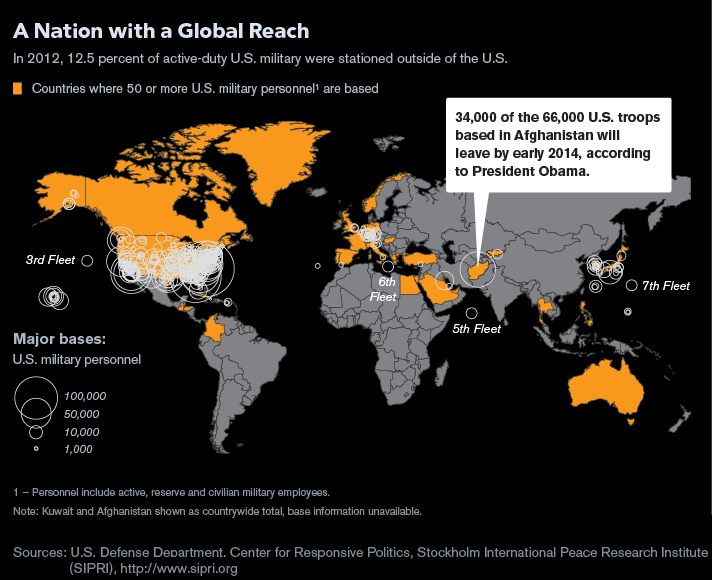
According to this map by Bloomberg, in 2012 approximately 12.5% of active-duty military personnel were stationed outside the United States, in places like Afghanistan, Turkey, Australia Canada, Greenland, Colombia, Guatemala, Honduras, Egypt, Myanmar, South Korea, Greece and Western Europe.

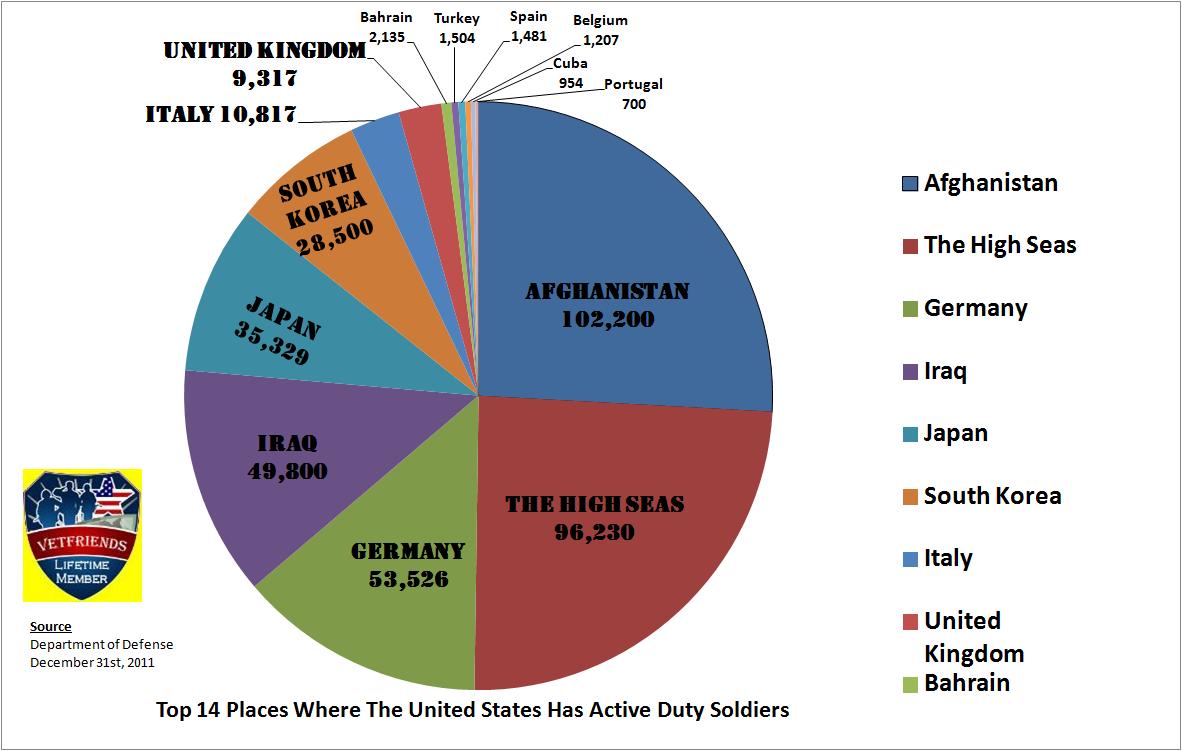
The pie chart above shows the top 14 places where the U.S. has active duty soldiers stationed.

Resources:


Global Vitamin D Deficit

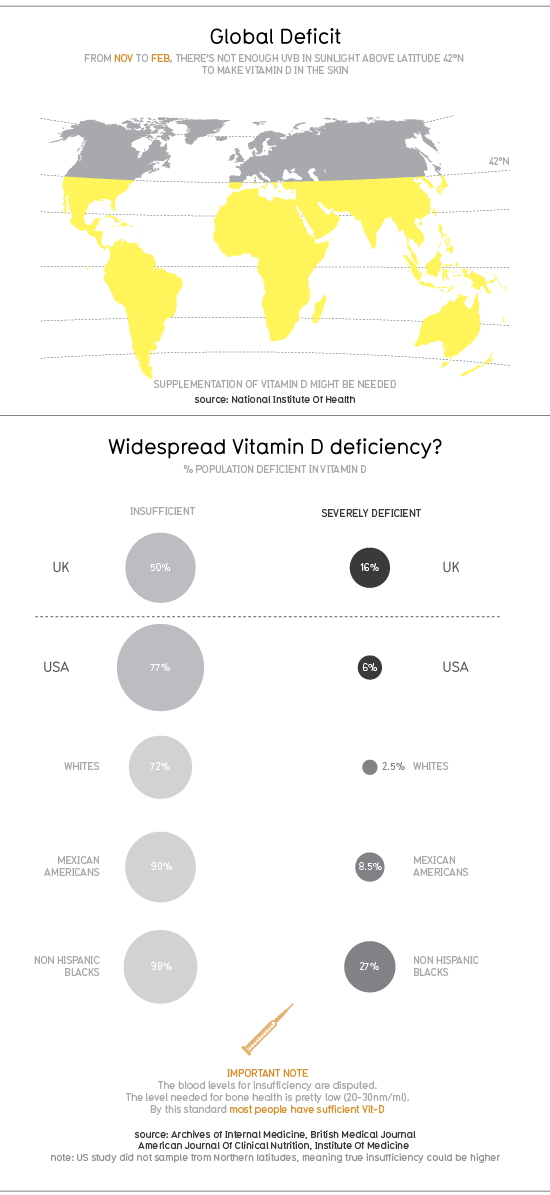
According to a 2010 infographic by Information is Beautiful, people inhabiting in the Northern hemisphere, more precisely above latitude 42°N, are not getting enough UVB light from sunlight to make vitamin D in the skin during winter season.

In the UK, 50% of the population has insufficient levels of vitamin D, while 16% of the population is severely deficient. In the United States, 77% of the population has insufficient levels of vitamin D, while 6% of the population is severely deficient. Within the U.S., the groups more affected by insufficient levels of vitamin D are Non-Hispanic blacks (98%) and Mexican Americans (90%).

To try compensate for the lack of UVB light in winter time and the consequent low vitamin D levels, consumers have turned to the vitamin D industry, an industry that is worth $460 million, as of 2009, in the U.S. alone.

For more graphics and statistics, visit: Information is Beautiful: Vitamin D

Ways of Transportation in Six Selected Cities

Interesting transportation patterns emerged from the 2012 LSE Cities conference, which focused in the way cities across the globe adjust to technological innovation and environmental changes.

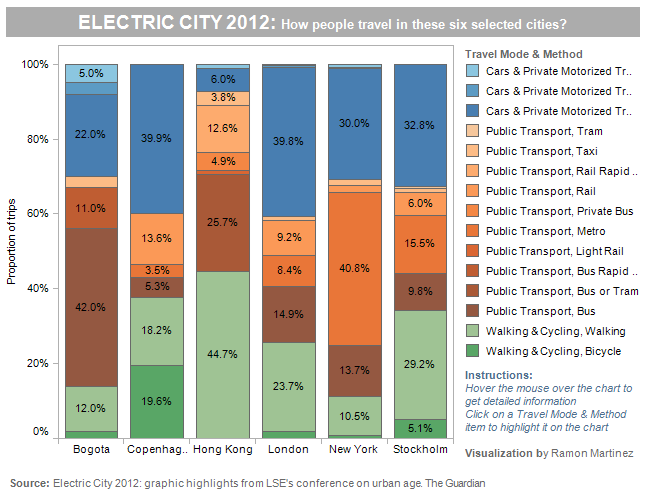
The graph above displays transportation patterns for six selected cities: Bogota, Copenhagen, Hong Kong, London, New York, and Stockholm. Of the six selected cities, Hong Kong is where walking and biking are the most common ways of transportation, a good 44.7%, and where cars and other private motorized vehicles are used the least (7.2%). Copenhagen and London, are the cities where the most common way of transportation are cars and other private motorized vehicles (39.9% and 39.8% percent respectively). New York city and Bogota are the cities where public transportation is most commonly used (57.9% and 56% respectively). In Stockholm, all three ways of transportation (walking/biking, private cars, and public transportation) are used almost in similar proportion.

For more detailed information visit: