Category Archives: Topics

The United States of Walmart

click to enlarge

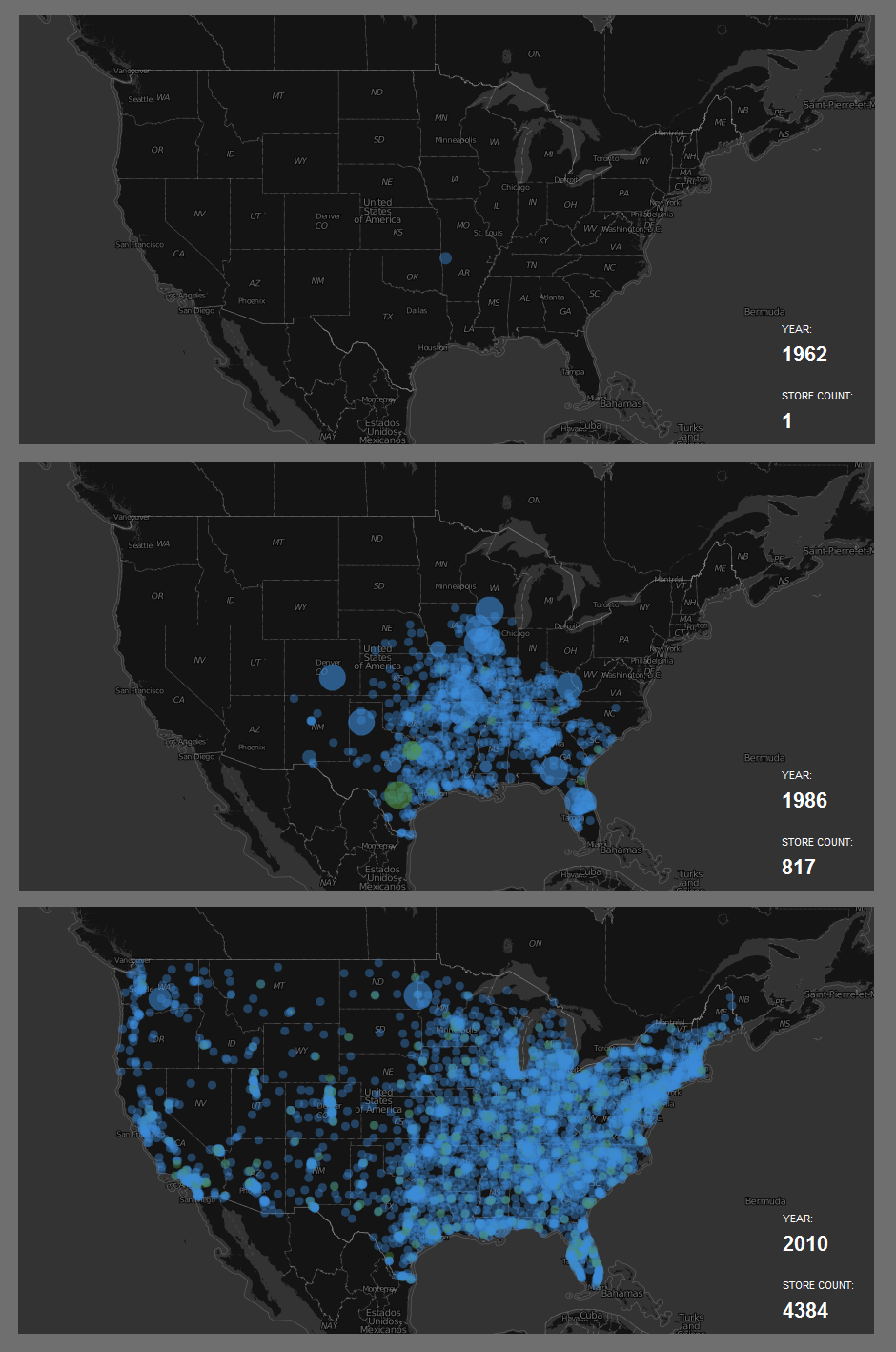
Walmart opened its first store in Rogers, Arkansas, back in 1962. From there it spread slowly through the South East. By 1986, twenty five years later, Walmart had 817 stores in the continental U.S. As of 2010, Walmart had 4,384 stores covering the entire country, including Hawaii, Alaska and Puerto Rico, but heavily concentrated in the East Coast and part of the Mid West.

Walmart is the world’s third largest public corporation, preceded only by Dutch Shell Company y Exxon Mobil.

For the interactive map, visit: Flowing Data: Watching the growth of Walmart
 

The Best and Worst Places to be Born in 2013

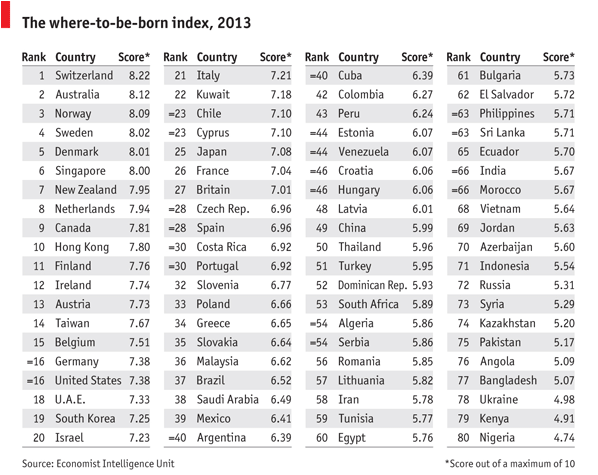
Back in 1988, the United States was ranked first as the best country to be born. Twenty five years later, the U.S. is ranked number 16.

The Economist Intelligence Unit compiled the where-to-be-born index which measures which country will provide the best opportunities to someone born in 2013. It links the results of life satisfaction surveys to indicators that affect the quality of life in those countries, such as geography, demographics, culture, government policies, the economy, etc.

Based on those factors, the best places to be born are Switzerland, Australia followed by Norway, Sweden Denmark, and Singapore. At the bottom of the list you will find Nigeria, Kenya, Ukraine, Bangladesh, Angola, Pakistan, among others.


The Global Public Debt Clock is Ticking

click to enlarge

Global public debt is increasing every second. This debt clock shows government debt, in dollar terms, for almost all countries. Governments with the highest debt include the United States, Canada, Brazil, Australia, India, China, and several western European nations.

Additional indicators such as public debt per person, public debt as percentage of GDP, total annual debt change, and country debt comparisons can be seen in the interactive map at: The Economist: The global debt clock


The World’s Deadliest Cities

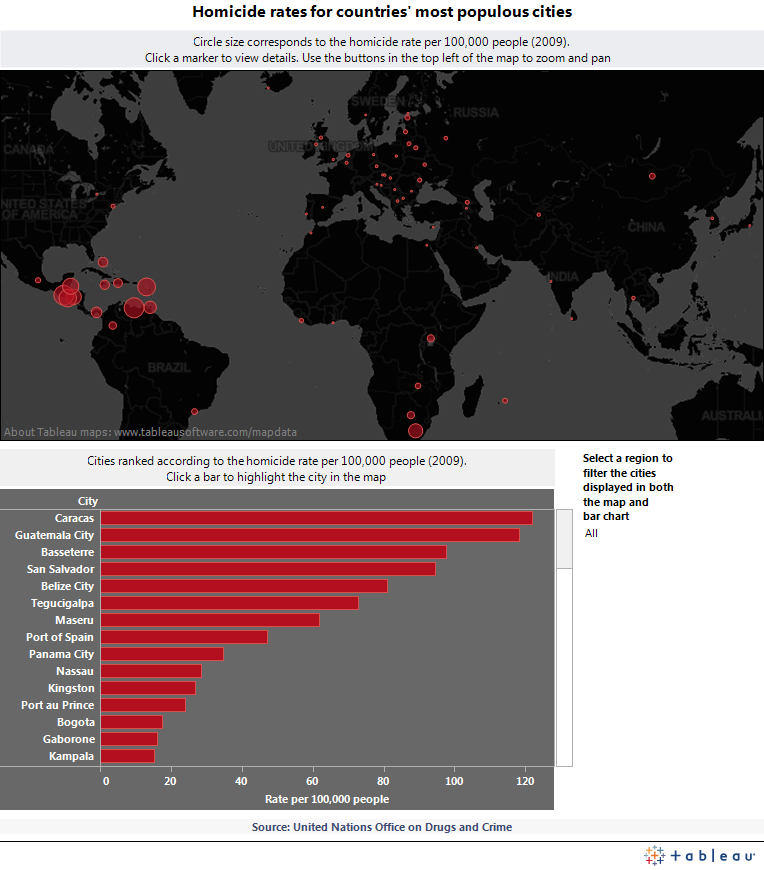
World's Deadliest Cities

The excellent data blog from The Guardian created an interactive visualization showing murder rates in the world’s most populous cities. The data, obtained from the UN, shows that Caracas, Guatemala City, and Basseterre have the highest homicide rates, while Lisbon, Ljubljana, and Tokyo have the lowest. You can read more details about their analysis in the accompanying article.

Rape Statistics by Country

click to enlarge

The UN Office on Drugs and Crime compiles rape statistics from countries around the world. We used their most recent numbers to create the map displayed above, which shows the number of rapes reported to police per 100,000 inhabitants. According to the UN data, the country with the highest rate of reported rapes is Botswana (92.9), while the country with the lowest rate is Egypt (0.1). Note though that comparison of crime rates across countries needs to be be taken with a grain of salt, since in some countries the population may be reluctant to report certain types of crimes to the police. You can read more about how the UN compiles crime statistics at its website.


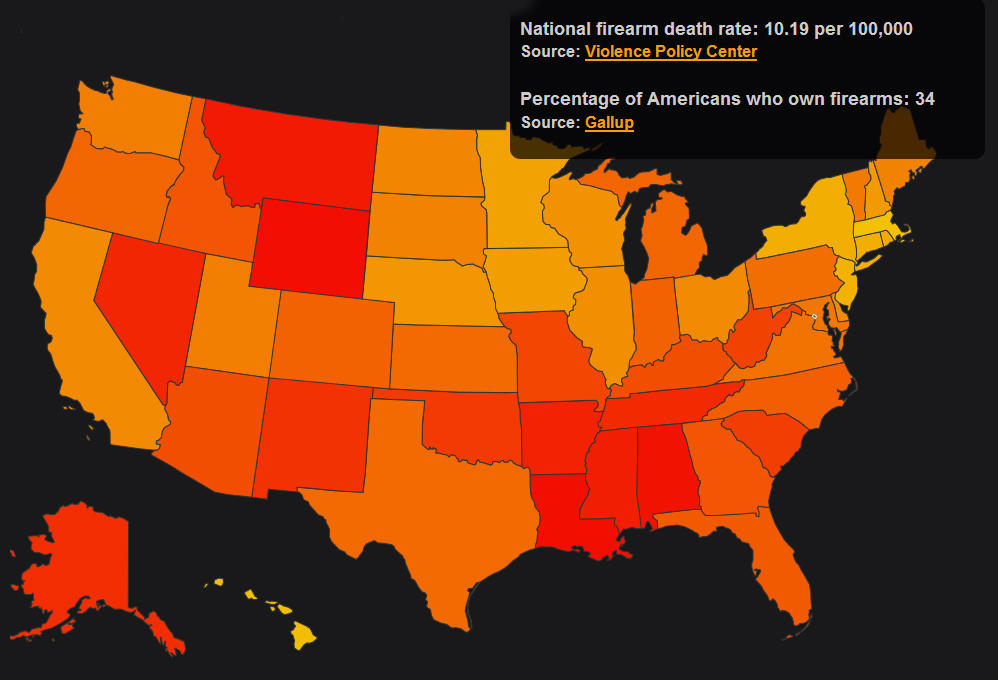
Gun-Related Deaths vs. Gun Ownership in the U.S.

click to enlarge

According to data from The Violence and Policy Center, the death rate by firearms in the U.S. is 10.19 per 100,000 people. Data from Gallup puts gun ownership at 34% nationwide. States with higher percentage of gun ownership also show a high number of deaths by firearms. Louisiana ranks 1 in number of deaths by firearms at 18.03 per 100,000, and 13 in gun ownership at 45.6%. Wyoming ranks 2 in number of deaths by firearms at 17.64 per 100,000, and 2 in gun ownership at 62.8%. These states are followed by Montana, Mississippi, Arkansas, Nevada, Tennessee and Alaska. In comparison, Massachusetts ranks 50 in number of deaths by firearms at 3.14 per 100,000 (lowest of all fifty states), and 48 in gun ownership at 12.8%. Hawaii fares well, ranking 49 in number of deaths by firearms, and 50 in gun ownership at 9.7% (the lowest of all fifty states).

See interactive map at: Aljazeera.com – Interactive: US, Yemen lead the world in guns


Cocaine Consumption by Country

click to enlarge

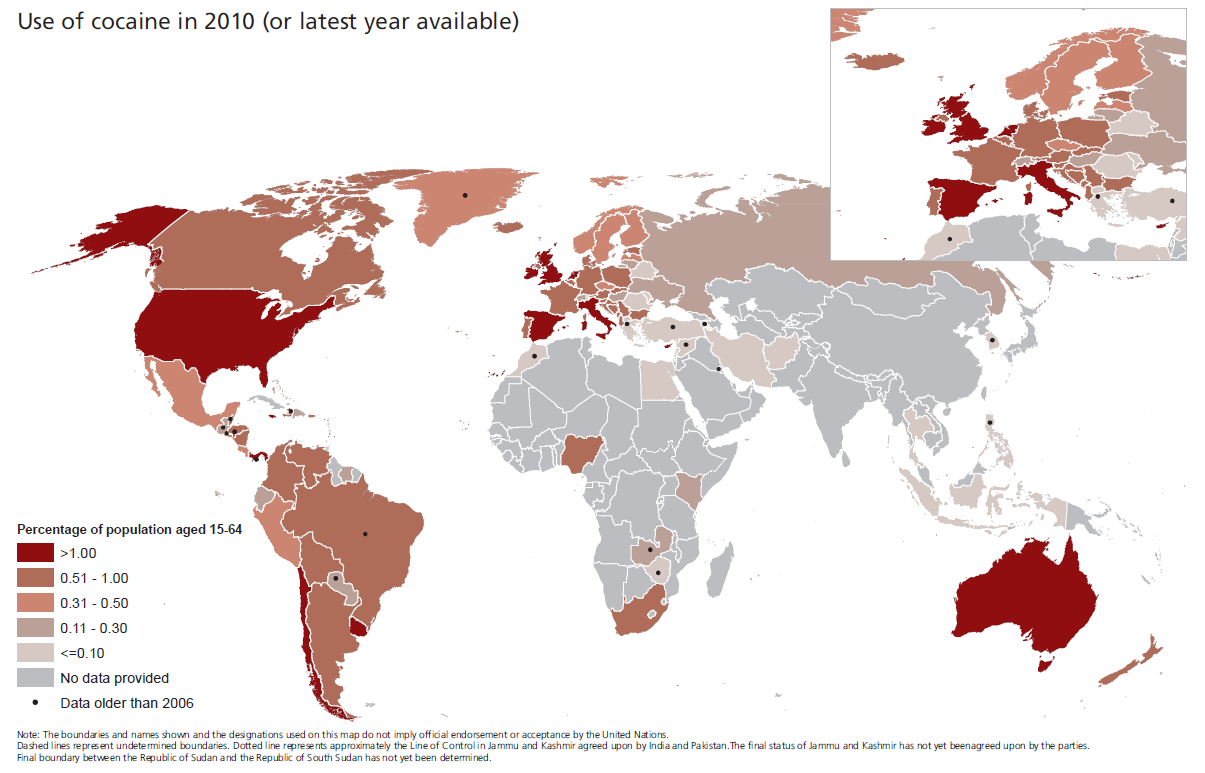
Illicit drugs consumption seems to be relatively stable around the world, except in developing countries, where it seems to be on the rise. Although the total area for the cultivation of the coca leaf has decreased 33% since 2000, 18% decrease between 2007 and 2010, the number of deaths from heroin and cocaine abuse is estimated at 200 thousand per year.

This map shows cocaine consumption around the world, the richest countries being among the top consumers. Complete details can be found at: United Nations Office of Drug and Crime (UNODC) – World Drug Report 2012


Colombian Coal

We recently added Colombian coal to the list of commodities that we track in our commodities section. You can now analyze the average monthly price of Colombian coal for the past 30 years, as seen in the graph below.

Coal, Colombia - Monthly Price - Commodity Prices - Price Charts, Data, and News - IndexMundi

In addition to monthly price data, we also have production, consumption, exports, and imports of Colombian coal in terms of quantity, and value in dollars of Colombian coal exports and imports.

Migrant Remittances Continue to Rise

click to enlarge

click to enlarge

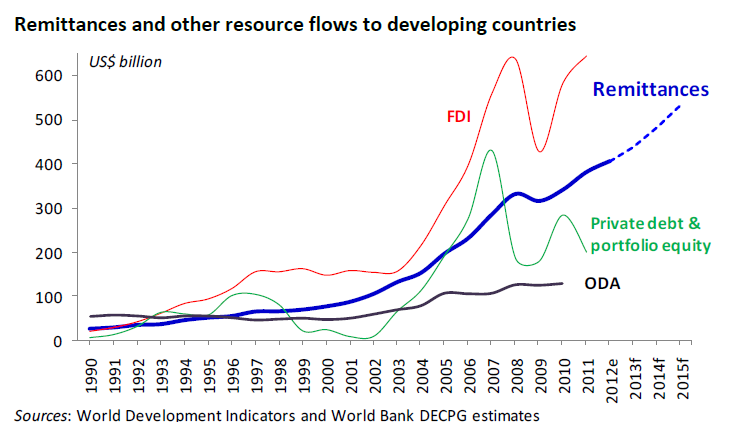
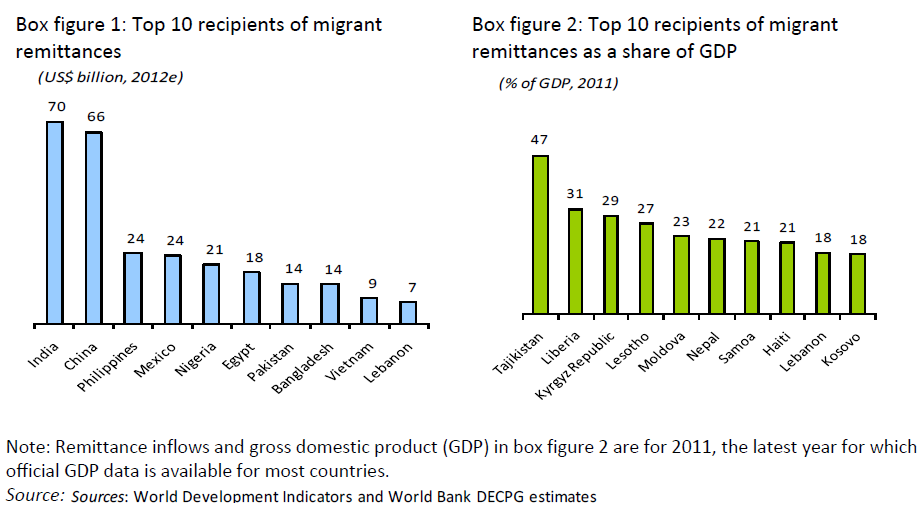
Migrant remittances to developing countries are expected to reach $406 billion in 2012, a 6.5 percent increase over the previous year, and $534 billion in 2015. These officially recorded remittances have kept increasing despite high remittance costs and the financial crisis. This source of income for developing economies constitutes more than three times the size of Official Development Assistance (ODA).

The highest recipients of migrant remittances among developing economies for 2012 are India, China, the Philippines and Mexico. As a percentage of GDP, the highest recipients in 2011 were Tajikistan, Liberia, the Kyrgyz Republic and Lesotho.

Resources:


The World’s Least and Most Dynamic Countries

Global Dynamism Index

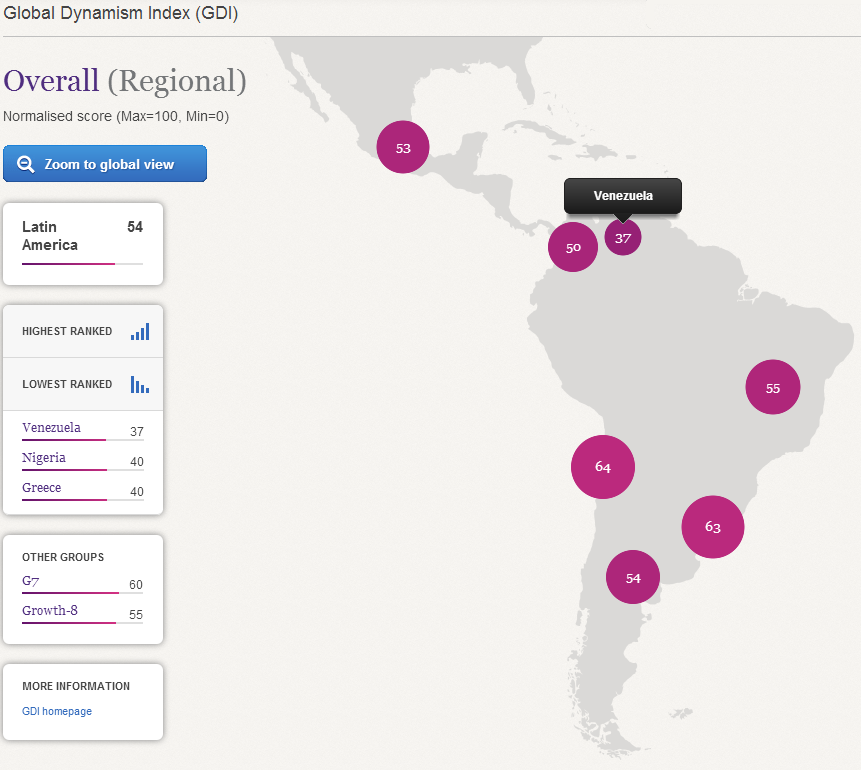
Grant Thornton International and the Economist Intelligence Unit have just released a Global Dynamism Index, which ranks 50 economies on 22 indicators of dynamism. Countries which have a positive reading on these indicators have recovered faster since the 2008 global recession, and are also on a path to higher future growth. Singapore, Finland, and Sweden are at the top of the list of the world’s most dynamic countries, whereas Nigeria, Greece, and Venezuela are at the bottom.